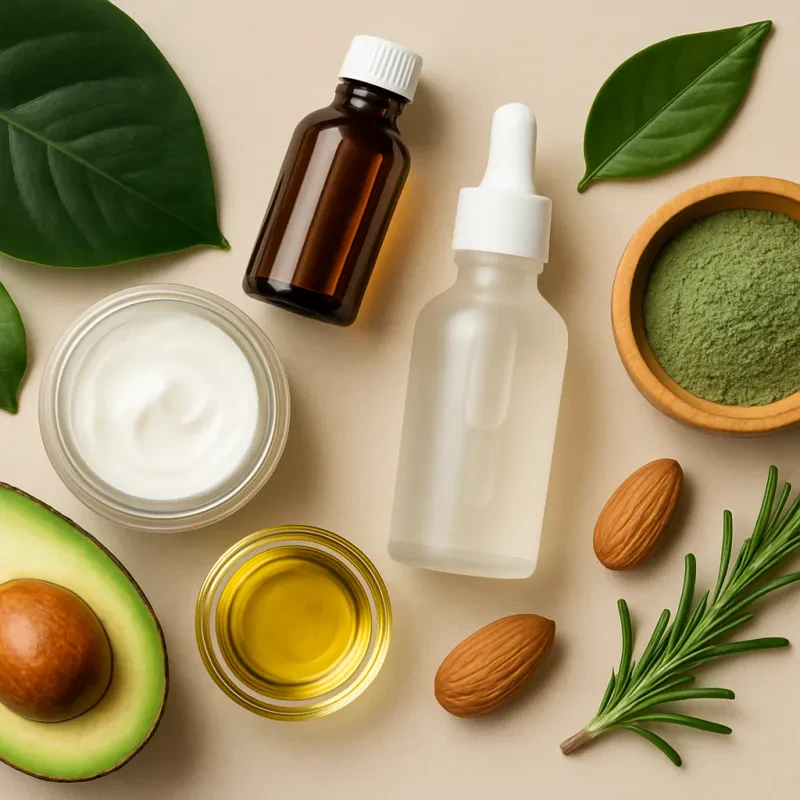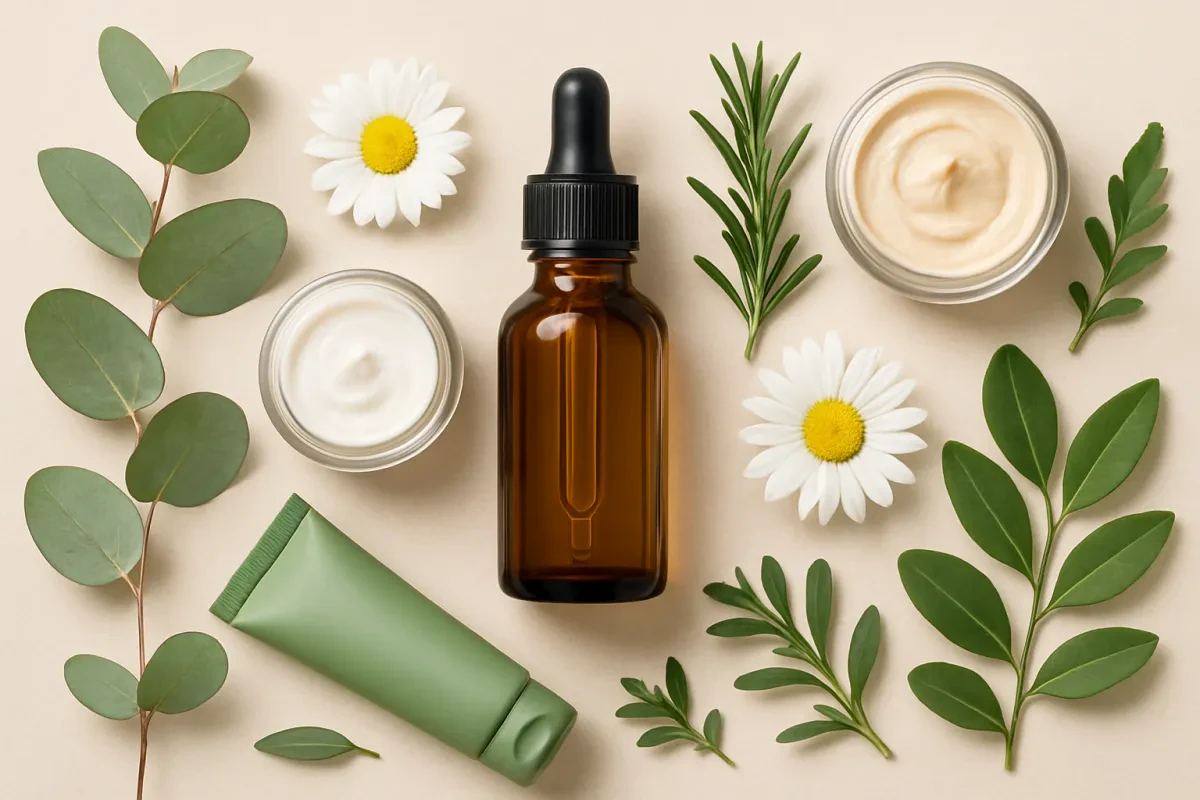
Switching to organic skincare can be a game-changer for your routine and your skin. One of the biggest benefits is knowing exactly what you’re putting on your body. Organic products usually use natural ingredients, which means you can avoid harsh chemicals that can irritate your skin. If you have sensitive skin, organic options are often gentler and less likely to cause reactions.
Another major perk is that organic skincare is better for the planet. Many brands focus on sustainable farming practices, so when you choose organic, you’re supporting environmentally friendly methods. This means fewer pesticides and chemicals in our water supply and soil, making a positive impact.
Plus, organic skincare often contains powerful antioxidants and nutrients from plants. Ingredients like aloe vera, coconut oil, and shea butter not only hydrate your skin but can also improve its overall health. These key ingredients work together to give your skin a natural glow without any synthetic additives.
Lastly, buying organic skincare typically means supporting small businesses and local farmers. Many organic brands prioritize ethical sourcing, helping communities thrive. So every time you pick up a product, you’re playing a part in something bigger, which feels great!
Top Ingredients to Look For
When you're diving into the world of organic skincare, knowing which ingredients to look out for can make a huge difference. You want stuff that's good for your skin, right? Here are some top ingredients that really stand out.
Aloe Vera: This plant is like nature’s moisturizer. It hydrates your skin without making it greasy. Plus, it has soothing properties, so if you’ve got any redness or irritation, aloe can help calm things down. It's perfect for all skin types!
Coconut Oil: This natural wonder works wonders for dry skin. It’s packed with fatty acids that provide deep hydration. It’s not just for your skin though; you can use it in your hair, too! Just a little bit can keep your strands shiny and healthy.
Shea Butter: If you're looking for something rich and nourishing, shea butter is your go-to. It’s great for repairing dry or damaged skin. It’s thick enough to provide moisture but absorbs nicely, leaving your skin feeling soft and smooth.
Tea Tree Oil: If you struggle with breakouts, tea tree oil is a must. Its natural antibacterial properties help fight acne-causing bacteria without harsh chemicals. Just remember to dilute it a bit before applying it directly to your skin!
How to Build Your Routine
Building your organic skincare routine doesn’t have to be complicated. Just keep it simple and focus on what your skin actually needs. Let’s break it down step by step.
First, start with a gentle cleanser. Look for one that’s free from harsh chemicals. You want something that removes dirt and makeup but still keeps your skin feeling soft and hydrated. Use it morning and night to keep your skin fresh.
Next, treat your skin with a good toner. This step helps to balance your skin's pH and shrink those pores. Look for toners with natural ingredients like rose water or witch hazel. They can be super refreshing, especially after a long day!
Once your skin is clean and toned, it’s time to moisturize. Pick an organic moisturizer that suits your skin type—whether it’s oily, dry, or somewhere in between. Natural oils like jojoba or argan can be great options. They hydrate without feeling heavy.
Don’t forget sunscreen! Even if you’re staying indoors, you need protection from UV rays. Choose a broad-spectrum sunscreen with natural ingredients. This keeps your skin safe while you go about your day.
Tips for Sensitive Skin Care
Taking care of sensitive skin can feel tricky at times, but it doesn't have to be. With a few simple tips, you can keep your skin happy and healthy without the stress.
First off, always opt for organic skincare products. Look for labels that say "fragrance-free" and "hypoallergenic." These products are less likely to irritate your skin. Ingredients like aloe vera, chamomile, and calendula are gentle and soothing. They help calm redness and irritation, making them perfect for your routine.
Stick to a simple routine. Avoid overloading your skin with too many products. Keep it to a cleanser, a moisturizer, and maybe a serum. Less is more, especially for sensitive skin. You want to give your skin a break from harsh chemicals and potential allergens.
Don't forget about patch testing! Before trying out a new product, apply a small amount on a hidden area, like behind your ear. Wait 24 hours to see how your skin reacts. This way, you won’t waste your time or risk a major breakout.
Lastly, be mindful of temperature. Hot showers might feel good, but they can dry out or irritate sensitive skin. Stick to lukewarm water and limit your shower time. This little change can make a big difference in how your skin feels!